
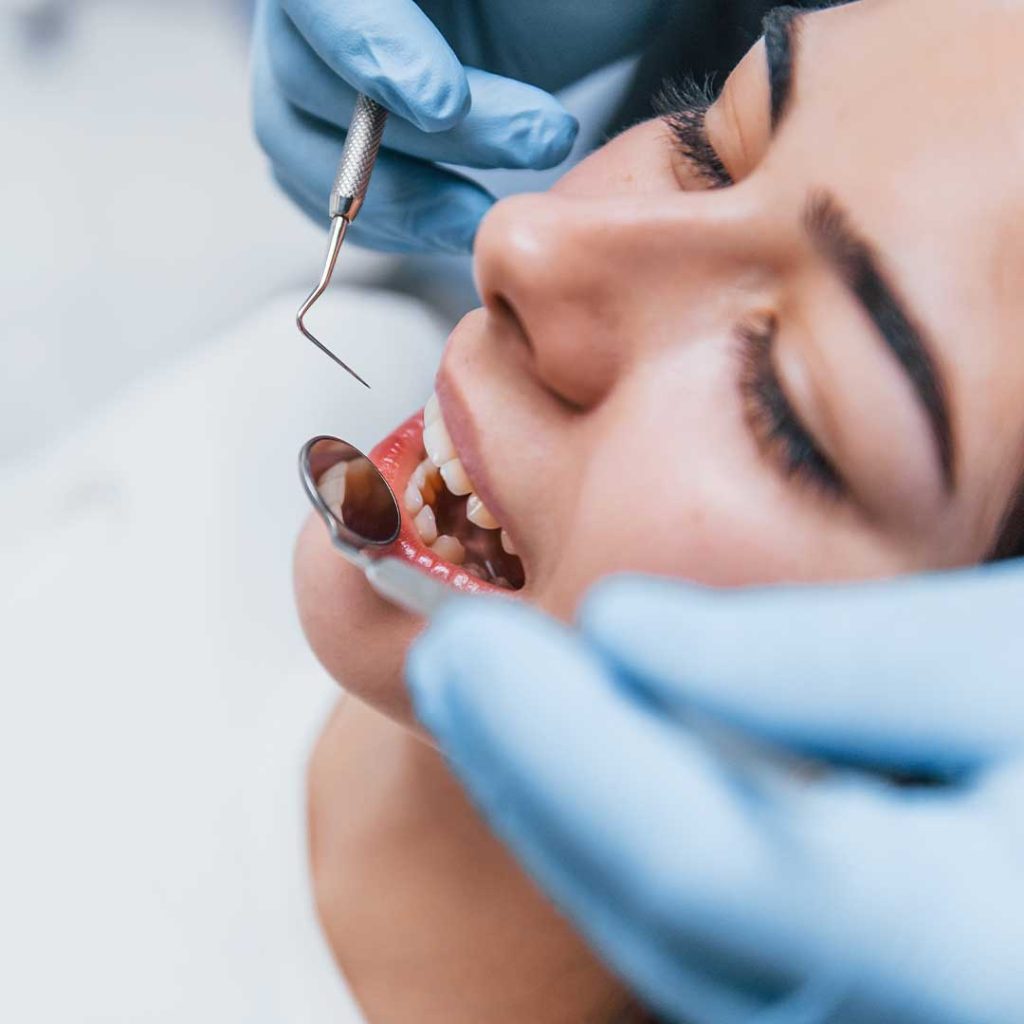
Repair a Cavity and Protect Your Tooth
Cavities are common, and treating them early can help prevent a small problem from becoming more complicated.
A dental filling removes the decayed portion of a tooth and replaces it with a restorative material. The goal is to repair the tooth, restore its function, and preserve as much healthy natural tooth structure as possible.
Choosing the Right Filling
Several materials can be used to restore a tooth. We’ll consider the location and size of the cavity, how much healthy tooth remains, your bite, and other clinical factors when recommending treatment.
Tooth-Colored Composite Fillings
Composite fillings are designed to blend with your natural teeth. They can be used on front and back teeth depending on the size, location, and demands placed on the restoration.
When a Filling Isn’t Enough
If a tooth has lost more structure than a standard filling can adequately replace, an inlay or onlay may be an option. These custom restorations can provide additional support while preserving healthy tooth structure. For a significantly weakened or damaged tooth, a crown may be recommended instead.
What to Expect
For many cavities, a filling can be completed in a single appointment. We’ll examine the tooth, discuss the appropriate restorative options, and make sure you know what to expect before treatment begins.
Taking Care of Your Teeth After a Filling
Continue brushing twice a day, cleaning between your teeth, limiting frequent sugary snacks and drinks, and keeping up with regular dental visits. These habits help protect both the restored tooth and the rest of your smile.
Here When You Need Us
If you think you may have a cavity, don’t wait for a small problem to become painful or more complicated.
Call Princeton Dental Group at (609) 924-0796 or schedule an appointment.